Why Current Tools Fail at Responding to Due Diligence

Everyone knows due diligence is broken.

So companies try to fix it.

They buy tools.

But the problem doesn’t go away.

Because most tools weren’t built for the actual problem. They were built for adjacent ones.

TPRM platforms

Some can prepopulate responses—but often inconsistently, using outdated or inaccurate information.

Trust centers

So what happens in practice?

Teams still spend weeks completing questionnaires—often 4 to 16 weeks—even when most of the answers already exist.

AI drafting tools

Help draft responses.

But drafting isn’t the problem.

They lack a single source of truth and aren’t tied to approved company systems.

So every response still requires manual validation.

The real problem is:

So teams are left managing:

This is the gap.

Not a knowledge problem.

Not a drafting problem.

A workflow and orchestration problem.

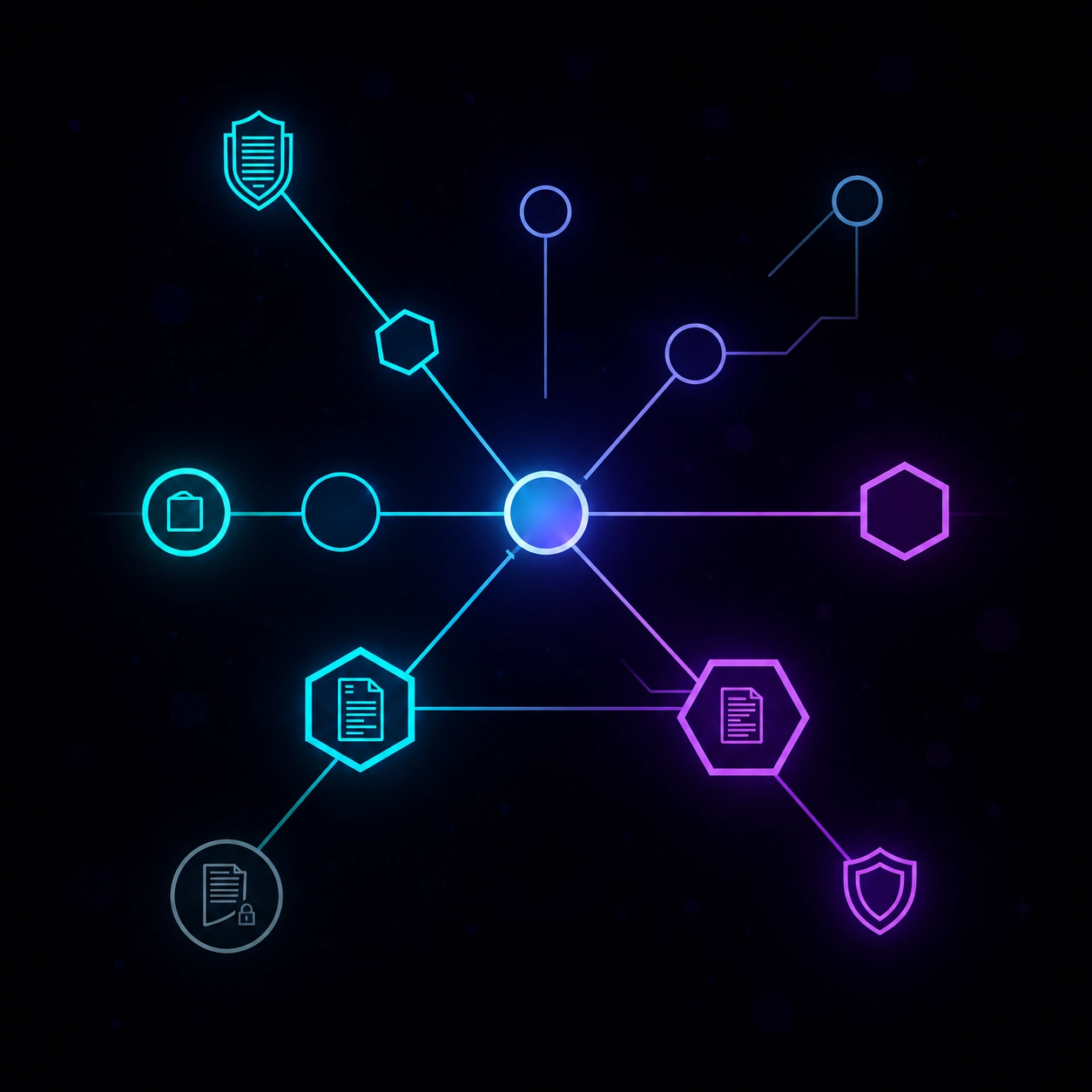
What’s missing is an agentic response orchestration layer.

When that layer is missing:

The shift is already happening:

From static content → to orchestrated response workflows

Where:

In hours—not weeks.

The market didn’t miss the problem.

It just hasn’t defined the solution correctly yet.

#ExternalPartyAssurance #DueDiligence #TPRM #B2BSales #Compliance
#SecurityQuestionnaires #EnterpriseSoftware

Stephanie

Founder POV — category + control

“Most teams don’t have a content problem—they have a coordination problem. The answers already exist. What’s missing is a structured way to generate, validate, and deliver them consistently. That’s where things break today.”

Tom

Practitioner, industry authority

“I’ve seen organizations invest heavily in tools and still struggle with response timelines. Because the issue isn’t just answering questions—it’s managing the process across multiple teams and stakeholders. That’s where the friction really sits.”

Dan

Revenue, commercial impact

“This is where sales cycles get delayed. It’s not that teams don’t have the answers—it’s that coordinating responses across security, legal, and compliance takes longer than it should. That lag directly impacts revenue timelines.”

Mark

Operational, scaling + org strain

“What stands out is how this breaks as organizations grow. More customers → more requests → more internal coordination. Without a structured workflow, the process doesn’t scale—it compounds.”