What Is External-Party Assurance?

A New Enterprise Capability for Demonstrating Organizational Trust

Organizations today face an unprecedented number of external requests that require them to demonstrate trust.

Customers request security reviews before purchasing products and services. Regulators expect transparency. Auditors request evidence. Privacy teams seek documentation.

Organizations receive inquiries related to AI, compliance, governance, cybersecurity, privacy, and operational trust.

These requests all ask one question:

Can your organization be trusted?
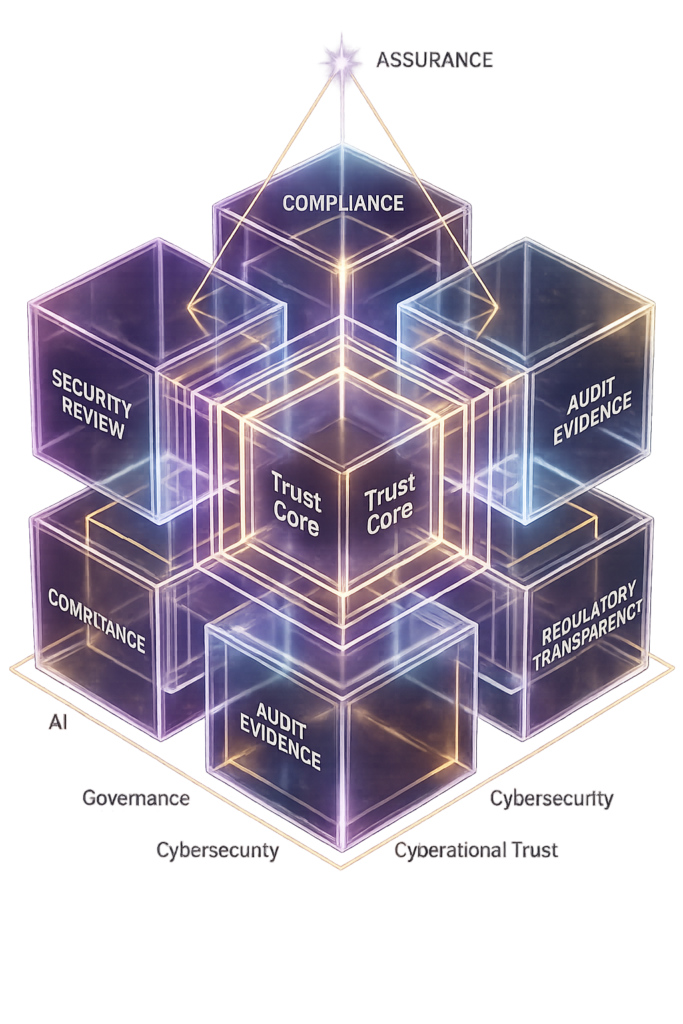
External-Party Assurance recognizes these activities as a single enterprise capability focused on consistently demonstrating organizational trust.

The Challenge

Organizations have built specialized teams to respond to different types of external assurance requests.

Information Security

Privacy

Compliance

Legal

Internal Audit

Sales

Customer Assurance

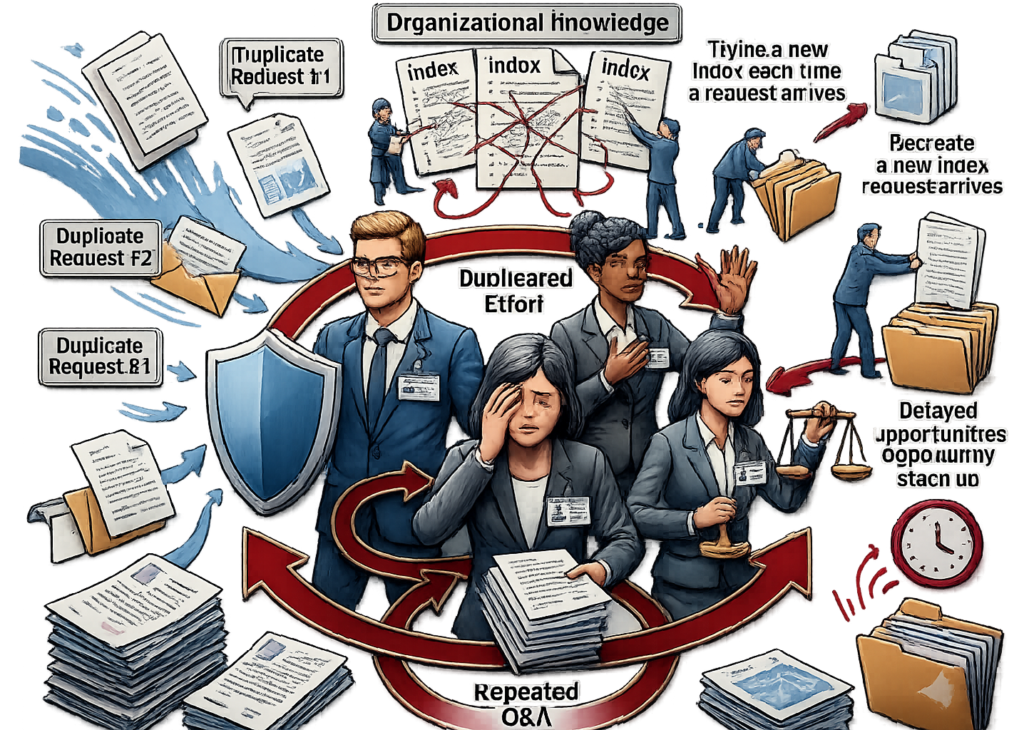
Each team performs an important role. However, many organizations continue to answer similar questions repeatedly, search for the same evidence multiple times, coordinate across the same subject matter experts, and recreate organizational knowledge every time a new request arrives. The result is duplicated effort, inconsistent responses, delayed business opportunities, and unnecessary operational complexity. As the number of external assurance requests continues to grow, organizations need a more coordinated approach.

What Is External-Party Assurance?

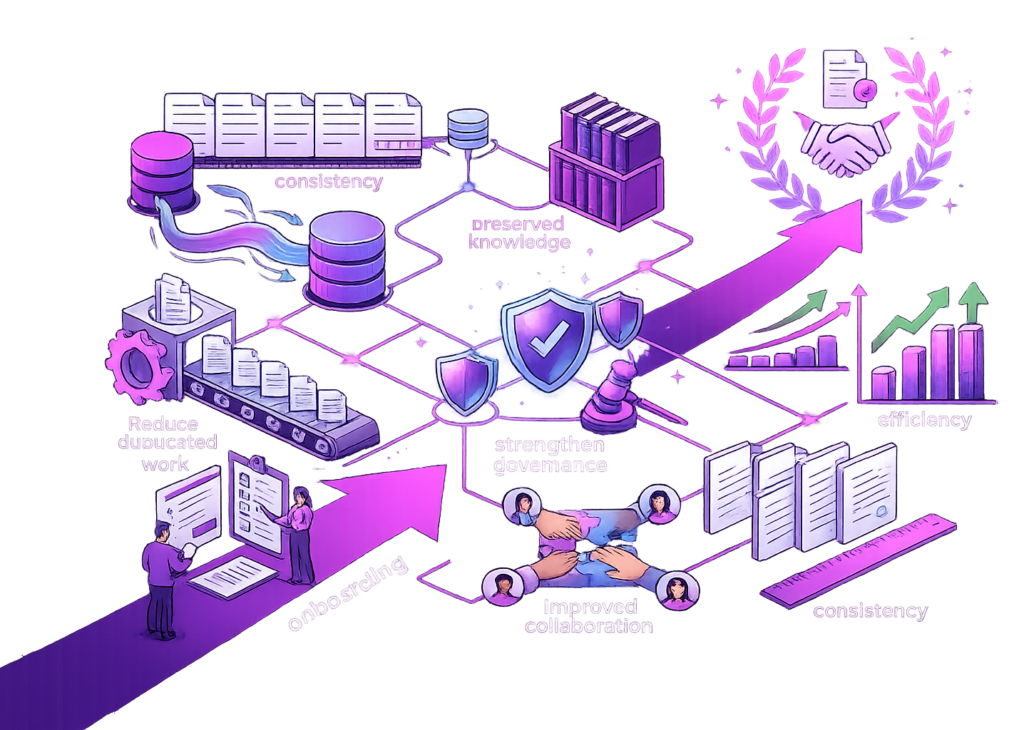
External-Party Assurance is the enterprise capability responsible for coordinating how organizations respond to external requests for trust, evidence, and assurance.

It unifies:
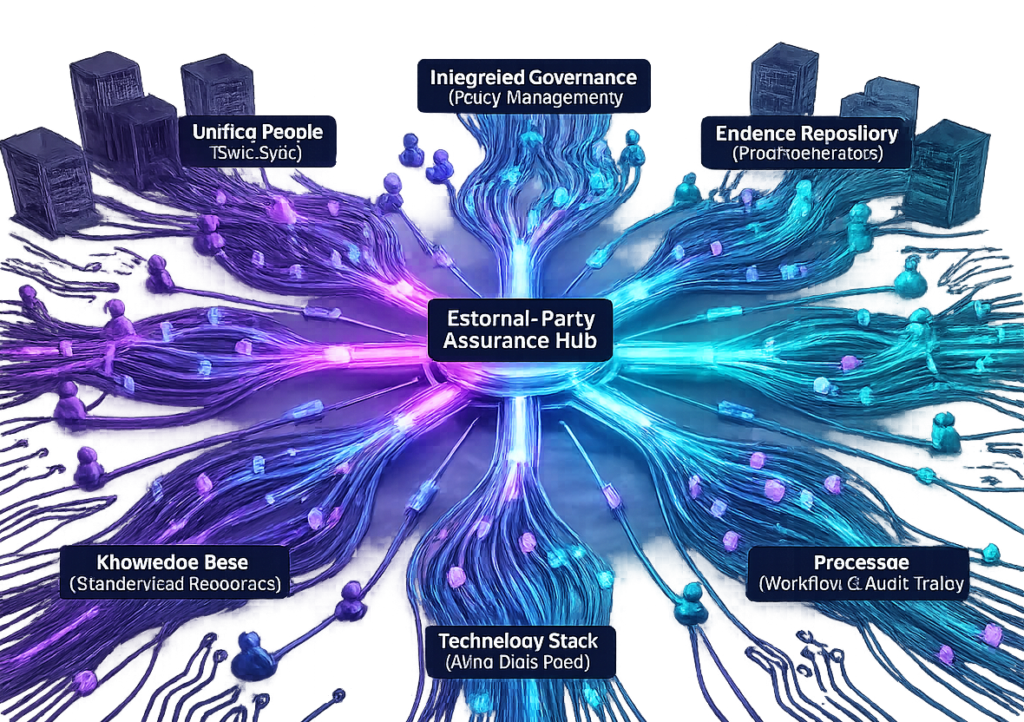
“External-Party Assurance is not another department.”

Why It Matters

Why Now?

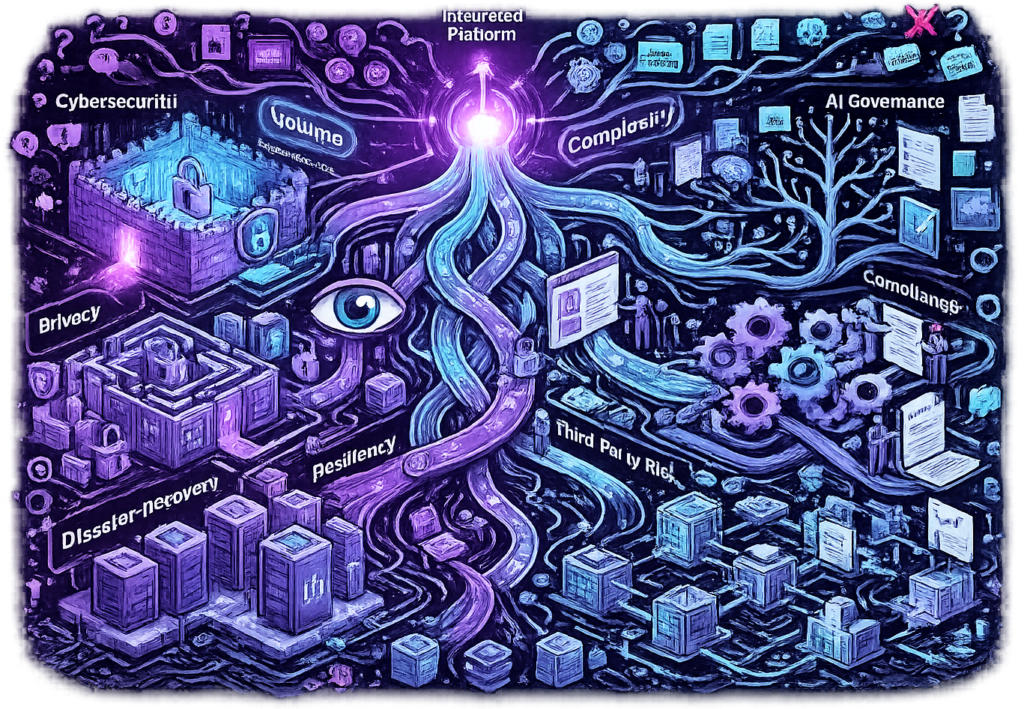
Organizations face growing demands across an expanding landscape of trust requirements. The volume, variety, and complexity of external requests continue to rise — making fragmented, reactive approaches unsustainable.
Frequently Asked Questions

Is External-Party Assurance a software product?

No. External-Party Assurance is an enterprise capability. Technology can enable it, but the concept is independent of any individual software platform.
No. Security questionnaires are only one example. External-Party Assurance also includes customer security reviews, regulatory inquiries, audit requests, privacy assessments, AI governance reviews, partner assurance requests, and many other forms of external assurance.
Not necessarily. Many organizations already distribute these responsibilities across existing business functions. External-Party Assurance provides a coordinated enterprise capability regardless of organizational structure.
There is no single organizational model today. Each organization will determine the structure that best aligns with its governance model, business processes, and operational needs. The important shift is recognizing these activities as one coordinated enterprise capability rather than isolated operational functions.

About the Framework

About the Framework

The External-Party Assurance framework was developed by Stephanie Greer, Founder & CEO of FusionAIrre.

Beginning in 2024, Stephanie developed the framework through research, enterprise product development, industry collaboration, and practical experience addressing the growing challenge of responding to external requests for trust, evidence, and assurance.

The framework introduces External-Party Assurance as a distinct enterprise capability that helps organizations coordinate how they consistently demonstrate trust across an increasingly complex external environment.

Stephanie Greer

Founder & CEO, FusionAIrre

Creator of the External-Party Assurance Framework
Stephanie Greer is the Founder & CEO of FusionAIrre and the creator of the External-Party Assurance framework. With more than two decades of experience in governance, risk, compliance, and third-party ecosystems, she is focused on advancing External-Party Assurance as a new enterprise discipline that enables organizations to respond more effectively to external requests for trust, evidence, and assurance.

Resources

Articles & Thought Leadership

White Papers

Research

Webinars

Speaking Engagements

Future Frameworks & Maturity Models